
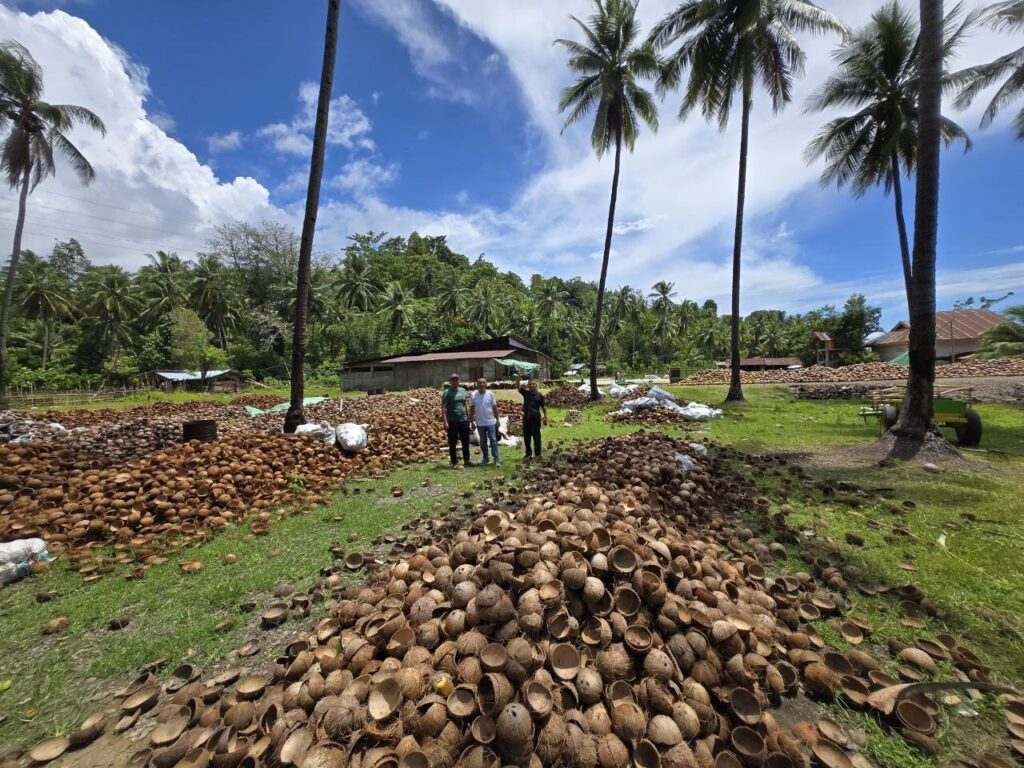
The Indonesian coconut industry is one of the main pillars of the global coconut trade. A vast tropical territory, a suitable agroclimate, and a long history of cultivation give this commodity a major role in agriculture, processing, and international commerce. Yet the potential of the Indonesian coconut industry does not stop at fresh fruit. Almost every part of the coconut can be turned into value-added products, from coconut water, coconut milk, coconut oil, and virgin coconut oil (VCO) to desiccated coconut, coconut sugar, coconut fiber, cocopeat, coconut shell charcoal, and charcoal briquettes.
The Ministry of Agriculture also treats coconut downstreaming as a strategic area. The goal is clear. Raise the added value of the commodity while strengthening the competitiveness of Indonesian products in the global market.
Why the Indonesian coconut industry matters so much
Coconut is a unique plantation crop because almost every part of it can be used. The meat becomes food, coconut milk, and oil. The water is processed into beverages and food ingredients. The husk becomes coconut fiber and cocopeat, while the shell serves as raw material for coconut shell charcoal.
For this reason, the Indonesian coconut industry has a broad value chain that reaches from agriculture to the food, energy, and consumer goods sectors. In international trade, product diversification matters just as much. The global market needs not only raw material, but also processed products with different specifications and levels of added value.
The Indonesian coconut industry in the global market
Indonesia holds an important position in world coconut production. Government publications over the past several years have consistently shown how large a role coconut plays in national agricultural trade. As an example, the Ministry of Agriculture recorded coconut export value at around USD 1.65 billion with a volume of 2.03 million tons in 2021.
More recent publications also name Indonesia as one of the largest coconut producers and a leading exporter of coconut and its derivatives. Global data is continuously updated through FAOSTAT. In short, Indonesian coconut is not merely a local commodity, but part of an international supply chain.
From fresh coconut to value-added products
One hallmark of the Indonesian coconut industry is the sheer number of products that come from a single commodity. Here are some of the derivatives most sought after by the market.
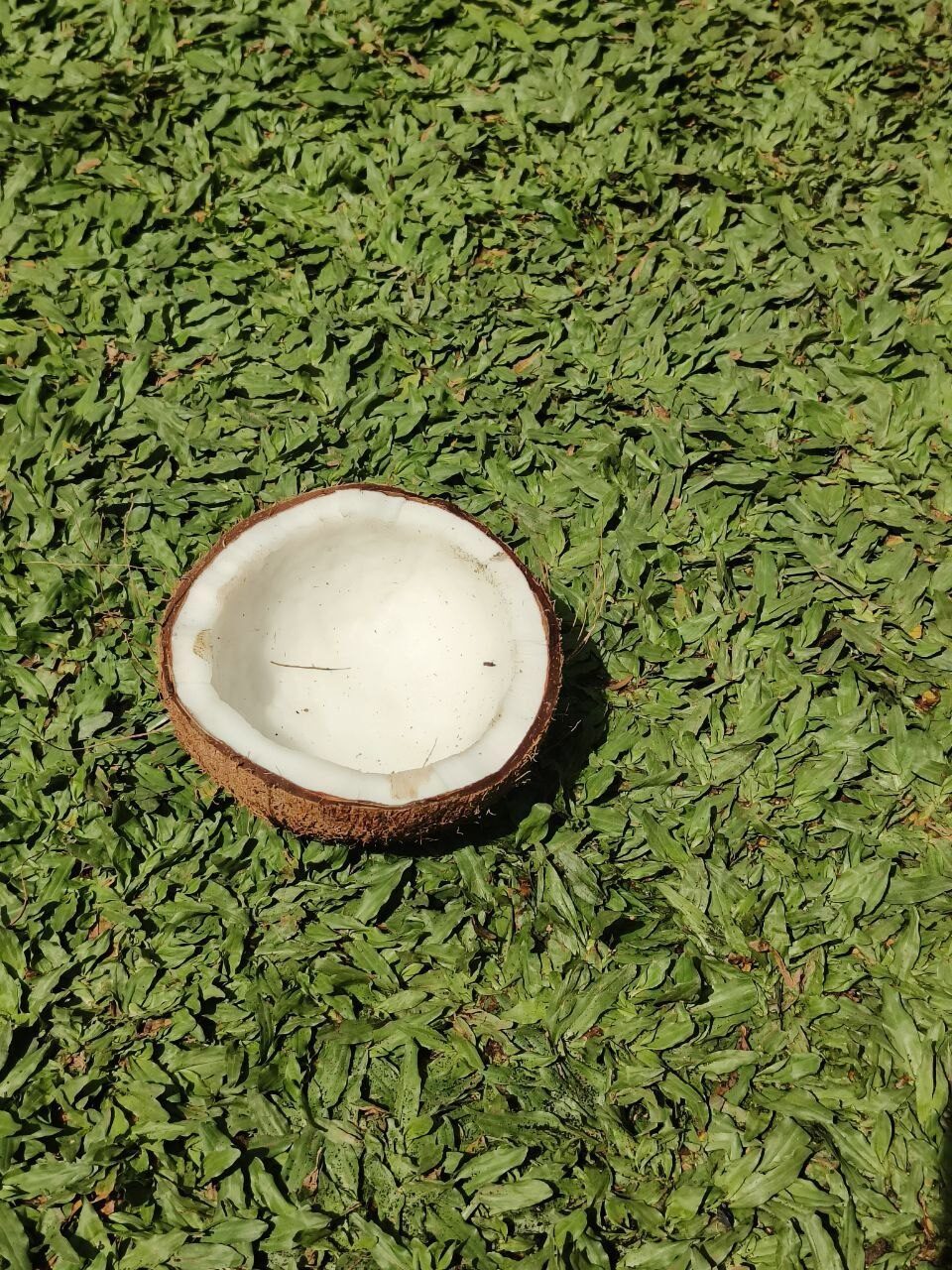
Coconut water
Coconut water serves as raw material for beverages and a range of food products. The trend toward drinks made from natural ingredients opens opportunities for Indonesian coconut water in international markets.
Coconut milk
Coconut milk is widely used by the food and beverage industry, especially for Asian cuisine, ready-to-eat products, frozen foods, and other food manufacturing applications.
Coconut oil and VCO
Coconut oil is one of the main processed products, used for both food and personal care. Virgin coconut oil (VCO), meanwhile, is a value-added product processed specifically to preserve the character of the oil, and it is now marketed to many countries.
Desiccated coconut and coconut sugar
Coconut meat can be dried into desiccated coconut for the bakery and confectionery industries. Coconut sugar also has an international market, including Europe, the Americas, Australia, and Asia.
Coconut fiber and cocopeat
Husk that was once treated as a by-product now carries real value. Coconut fiber is used in fiber-based applications, while cocopeat is widely used as a growing medium in horticulture.
Coconut shell charcoal and charcoal briquettes
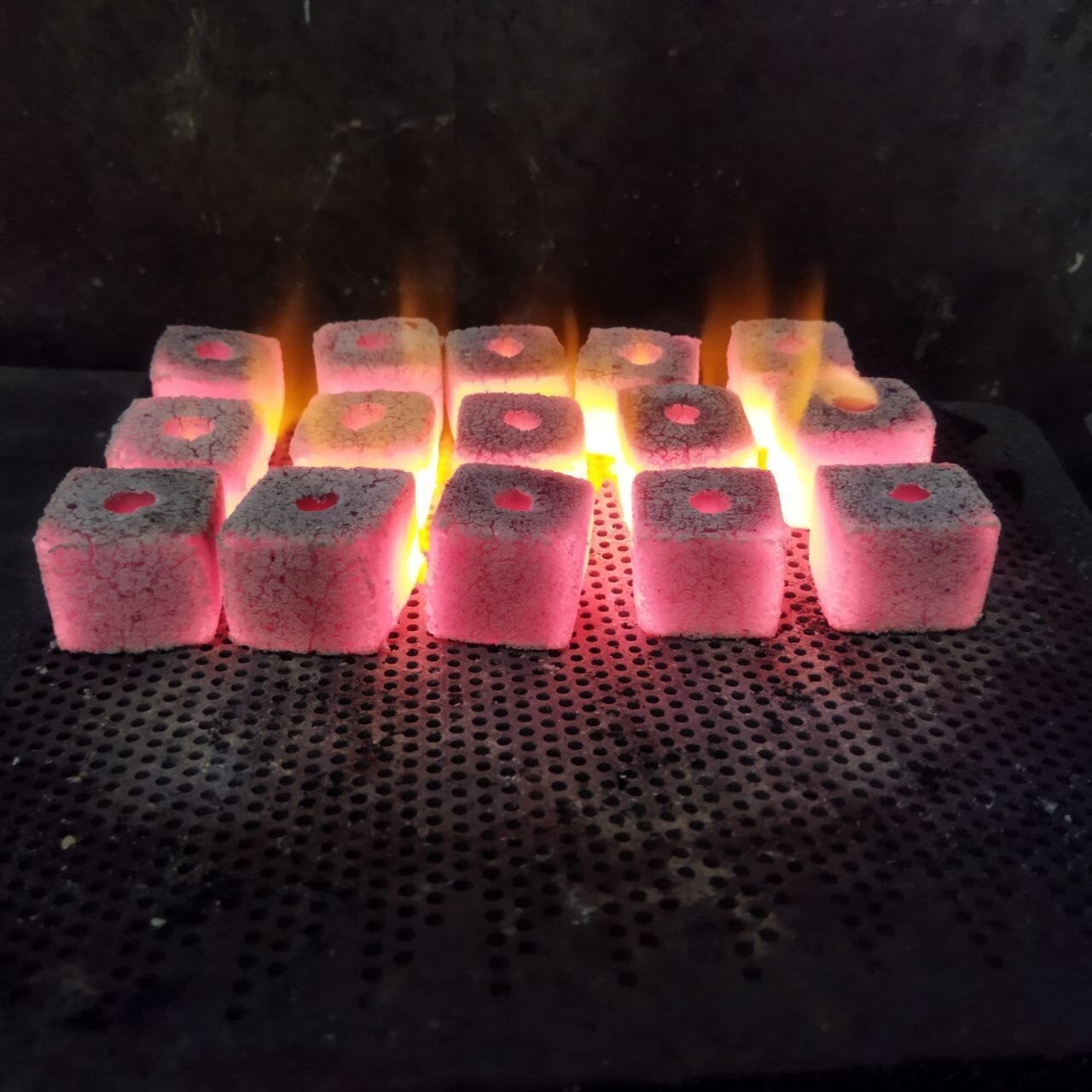
Coconut shell also has economic value. After carbonization, the shell becomes coconut shell charcoal for shisha, hookah, BBQ, and industrial applications. A further stage of downstreaming is coconut shell charcoal briquettes, made through crushing, mixing with a binder, molding, drying, and quality control.
Why coconut derivatives keep gaining importance
In international trade, the value of a commodity is not set by the availability of raw material alone. Processing, consistent quality, product specifications, packaging, documentation, and the ability to meet the requirements of the destination market are equally important.
For this reason, downstreaming is the key to developing the Indonesian coconut industry. In 2025, the Ministry of Agriculture specifically addressed a coconut downstreaming strategy to raise added value and tackle supply chain challenges. With this approach, the same raw material can produce goods aimed at different target markets and economic values.
Opportunities for the Indonesian coconut industry abroad
The global market for coconut products is highly varied. International buyers can come from many segments, for example:
- food and beverage manufacturers
- ingredient and personal care suppliers
- agricultural suppliers
- charcoal distributors along with shisha and hookah companies
- BBQ product distributors
- industrial raw material buyers and private-label companies
Each market has different requirements. Coconut milk buyers, for instance, pay close attention to food safety, ingredients, packaging, shelf life, and regulatory compliance. Charcoal briquette buyers focus more on fixed carbon, ash content, moisture, volatile matter, calorific value, burn performance, size, packaging, and consistency between shipments. Becoming a coconut supplier from Indonesia for the global market therefore demands an understanding of specifications, buyer needs, export documentation, and international logistics.
From raw material supplier to reliable export partner
In B2B trade, buyers look for more than price alone. Consistent supply becomes a primary consideration, especially for buyers who use coconut products in their own production. The following aspects deserve attention when sourcing from Indonesia.
- Consistent quality. Specifications must hold from one shipment to the next.
- Reliable supply. A supplier needs sourcing and production systems capable of supporting buyer volume.
- Clear specifications. Parameters such as moisture, ash, size, grade, and packaging must be clear.
- Export documentation. Documents follow the product type and destination country.
- Professional packaging. Packaging is matched to the character of the product and the transport method.
- Transparent communication. Clarity on specifications, MOQ, lead time, and payment terms reduces the risk of misunderstanding.
Conclusion
Coconut is an important commodity in Indonesian agriculture and trade, and it anchors the wider Indonesian coconut industry. From coconut water, coconut milk, coconut oil, VCO, and desiccated coconut to coconut fiber, cocopeat, coconut shell charcoal, and charcoal briquettes, a single commodity can produce many products for different markets.
For global companies looking for Indonesian coconut products, understanding the source of raw material, the processing, the specifications, the quality control, and the export capability is an important step before choosing a supplier. In the end, the strength of the Indonesian coconut industry lies not only in the volume of raw material, but in the ability to process it into consistent, value-added products. Do you have coconut product needs? Contact our team to discuss specifications and pricing.