
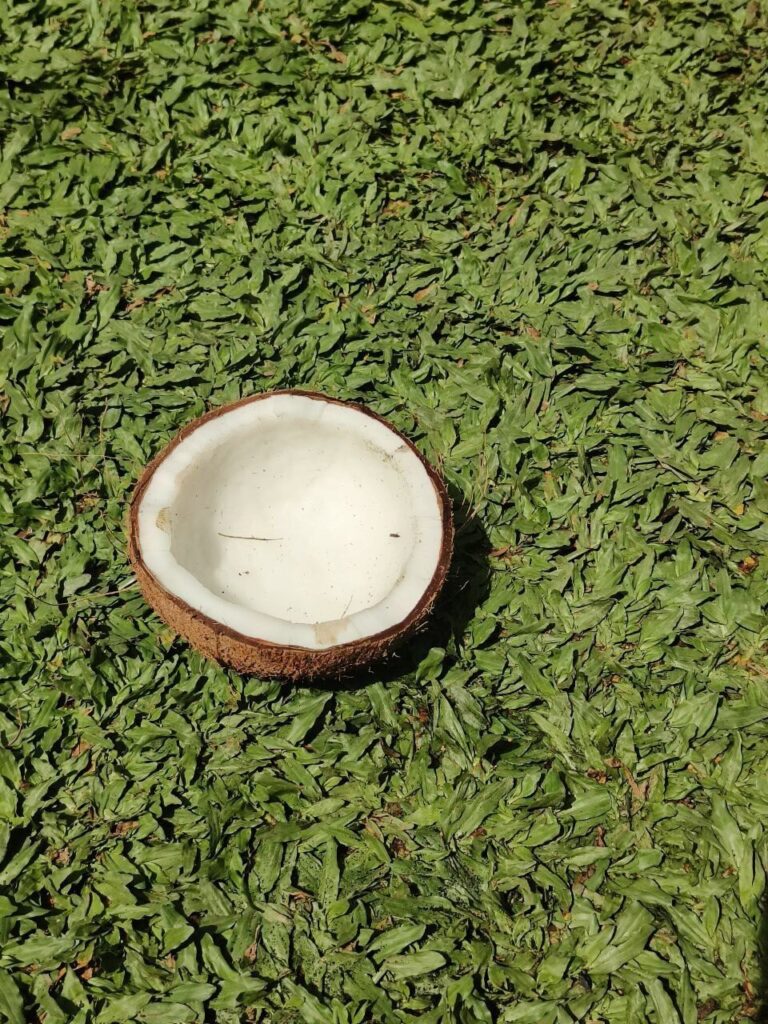
Indonesian coconut products have become part of the global supply chain for food, beverage, agriculture, personal care, and industrial applications. With a large coconut-growing ecosystem and a wide range of coconut-based goods, Indonesia gives international buyers many ways to source Indonesian coconut products for different markets.
For international buyers, however, sourcing is not only about finding competitive prices. Product quality, supply consistency, processing capability, packaging, documentation, and international shipping matter just as much. Understanding the Indonesian coconut supply chain helps importers, distributors, wholesalers, and private-label businesses make better sourcing decisions.
Why Are Indonesian Coconut Products Important in the Global Market?
Coconut is one of the most versatile tropical commodities. Almost every part of the coconut can be processed into goods with different commercial applications, which is why Indonesian coconut products stay relevant across so many industries.
Coconut meat can become coconut milk, coconut oil, VCO, and desiccated coconut. Coconut water can be processed into beverages and food ingredients. Coconut sugar serves the food industry, while coconut fiber and cocopeat support horticulture. The coconut shell can also be processed into coconut shell charcoal and other value-added goods. This diversity makes Indonesia relevant to buyers looking for both raw materials and processed products.
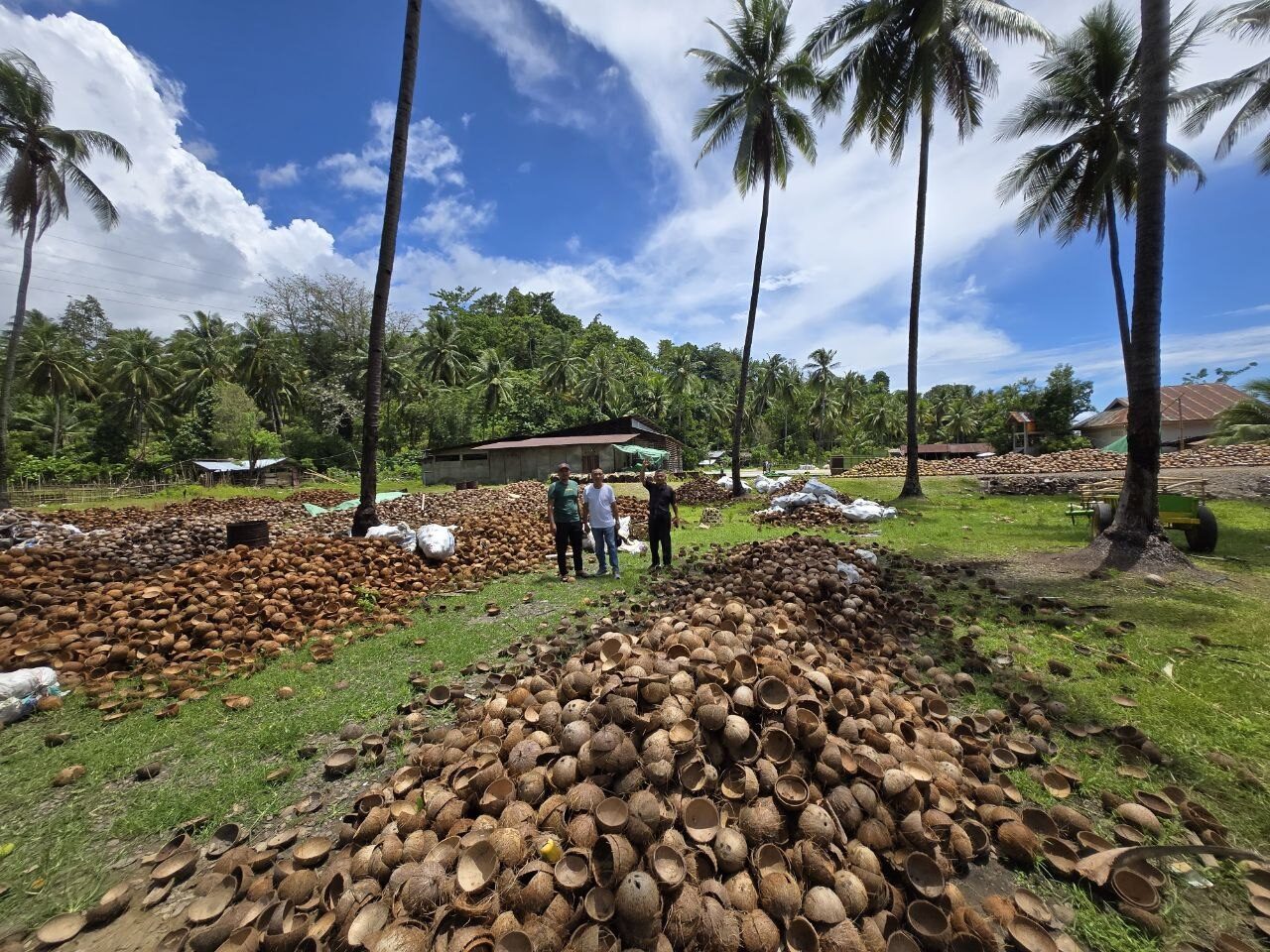
Indonesia’s Coconut Supply Creates Sourcing Opportunities
Indonesia has a long history of coconut cultivation, and production is distributed across several regions. Government data continues to identify coconut as an important plantation commodity, and the Indonesian government has been promoting downstream processing to raise the value of agricultural goods.
This approach creates opportunities beyond raw coconut exports. Instead of shipping only agricultural materials, processing can transform coconut into products with specific specifications and applications. For international buyers, that means more options when developing a long-term sourcing strategy for Indonesian coconut products.
From Raw Coconut to Value-Added Products
The value of Indonesian coconut is not limited to the farm. A single coconut can contribute to several product categories through different processing stages.
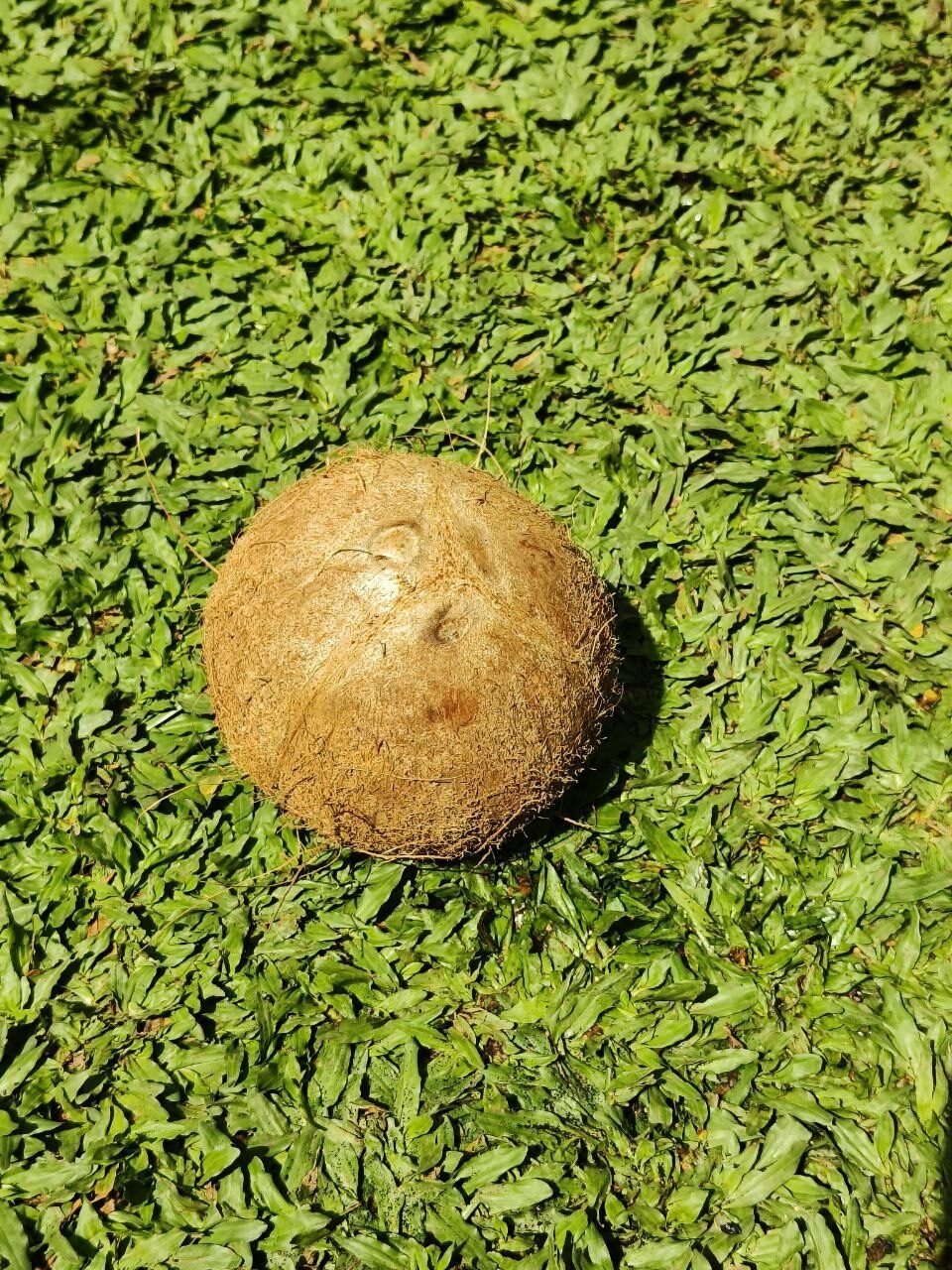
Coconut Food and Beverage Products
Coconut water, coconut milk, coconut oil, VCO, and desiccated coconut are widely used in food and beverage applications. Buyers may source these as ingredients, finished products, or raw materials for further manufacturing.
Coconut Sugar
Coconut sugar is another value-added item from Indonesia. It is used in food manufacturing and consumer products, and international buyers also source it for wholesale or private-label applications.
Coconut Fiber and Cocopeat
Coconut husks can be processed into coconut fiber and cocopeat. These have applications in horticulture, growing media, erosion control, and other agricultural activities, so materials once considered waste become commercial goods.
Coconut Shell Charcoal
Coconut shells can also be processed into charcoal. Coconut shell charcoal is used in shisha, hookah, BBQ, and selected industrial applications. Further processing turns it into briquettes with specific shapes, sizes, and technical specifications.
What Should International Buyers Consider When Sourcing?
Finding a supplier is only the first step. Before placing a bulk order from Indonesia, buyers should evaluate several factors.
Product Specifications
Specifications should be clearly defined before ordering. Depending on the product, this may include grade, moisture, size, composition, packaging, and other technical parameters.
Supply and Production Capacity
Buyers should understand the supplier’s production capability and sourcing system. This becomes especially important for distributors and importers that require regular shipments.
MOQ and Lead Time
Minimum order quantities vary by product and packaging. Buyers should confirm production lead time before planning international shipping, and custom packaging or private-label orders may need extra preparation.
Packaging and Shipping
Packaging should suit both the product and international transportation. Buyers should also clarify shipping terms such as FOB or CIF, destination port, payment terms, and export documentation. International buyers can use trade resources from organizations such as the International Trade Centre to research markets and trade opportunities.
Choosing the Right Indonesian Export Supplier
Price matters in international trade, but the lowest price does not always deliver the most suitable sourcing solution. Importers and distributors also need reliable communication, clear specifications, consistent production, proper packaging, and export documentation.
A capable export supplier should understand these requirements and communicate them clearly before production begins. For private-label businesses, the supplier should also be able to discuss packaging specifications, production requirements, MOQ, and shipment planning. This approach helps buyers build a sourcing relationship instead of relying on individual transactions.
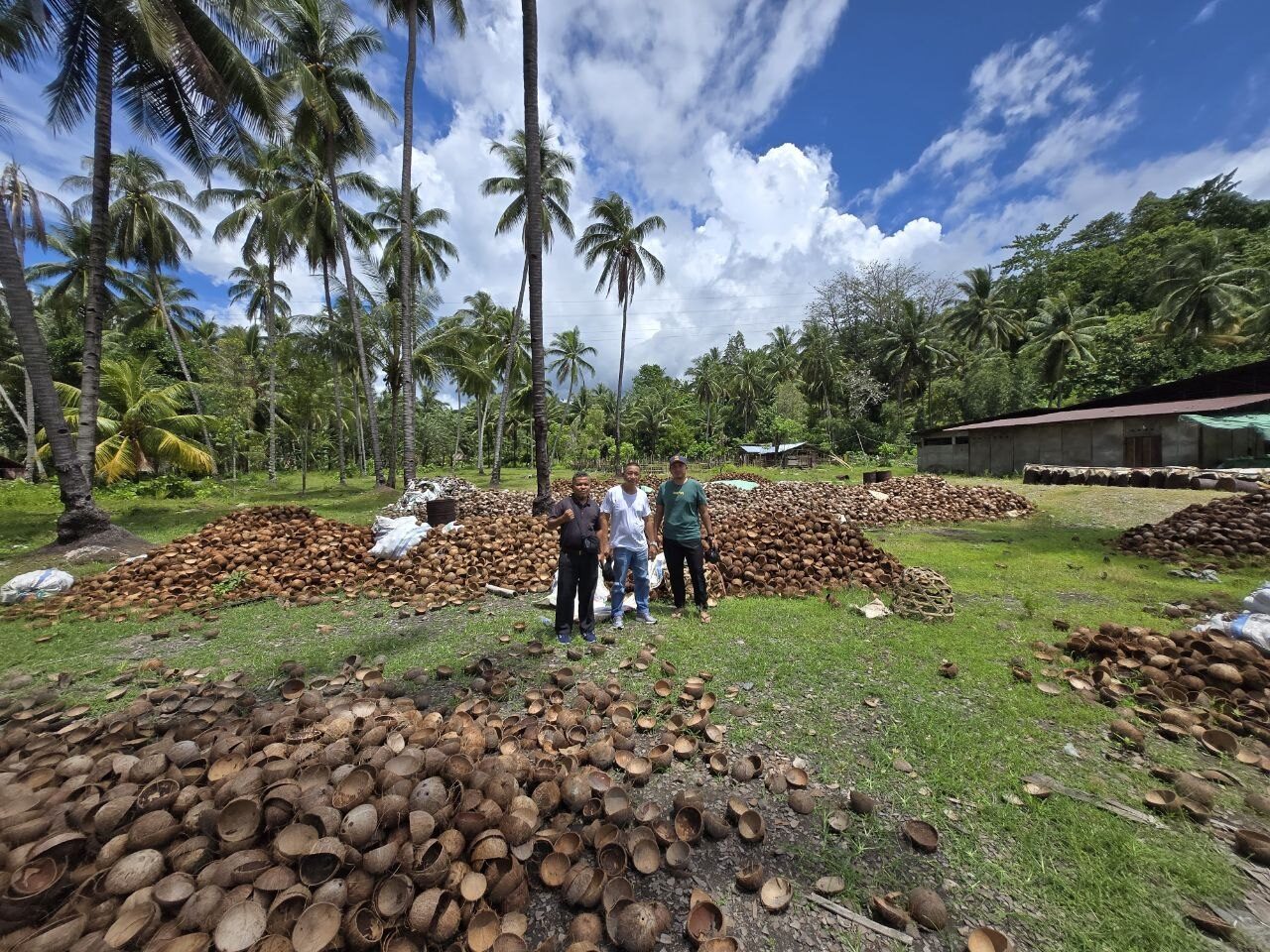
Building Long-Term Global Partnerships for Indonesian Coconut Products
The Indonesian coconut industry offers opportunities across many product categories. From food ingredients and beverages to agriculture, personal care, and charcoal, coconut can become a valuable source of raw materials and processed goods.
For international buyers, the opportunity is not simply to purchase Indonesian coconut products. It is to build a reliable supply chain with a suitable Indonesian partner. Indonesian Coconut aims to connect global buyers with coconut-based products from Indonesia and support B2B sourcing for the international market.
If you are an importer, distributor, wholesaler, or private-label business looking for Indonesian coconut products, we welcome long-term cooperation. For bulk orders, OEM, private-label requirements, product specifications, and international shipping discussions, contact our team and start building your next coconut supply partnership.