
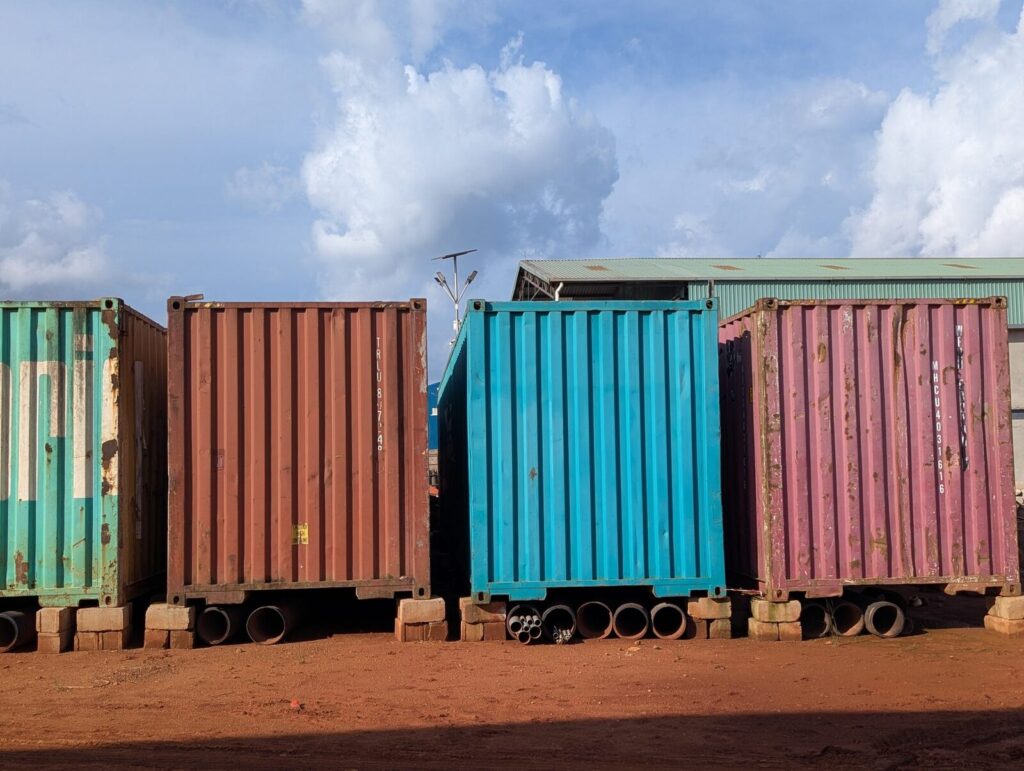
The Indonesian coconut supply chain connects farmers, collectors, processors, manufacturers, exporters, and international buyers across many markets. For global buyers, understanding this supply chain is an important step before sourcing coconut products from Indonesia.
Indonesia has a long history of coconut cultivation and a broad ecosystem of coconut-based industries. Yet international sourcing involves more than finding available raw materials. Product specifications, processing, quality control, packaging, documentation, and international shipping all shape the success of an export transaction. For that reason, buyers should understand how coconut moves from its source to the global market.
How does the Indonesian coconut supply chain work?
The coconut supply chain generally begins with cultivation and harvesting. Coconuts are then collected, sorted, transported, and processed according to their intended application. Depending on the product, processing may involve cleaning, drying, extracting, crushing, pressing, or grinding. The finished goods then move through domestic distribution or enter international export markets. This creates several clear stages between the coconut farm and the international buyer.
1. Coconut farming and harvesting
Farmers are the starting point of the chain. A coconut tree yields several materials that feed different processing industries: the fruit provides water and meat, while the husk and shell become raw materials for value-added products. Harvesting practices and raw material condition influence quality further down the line.

2. Collection and raw material supply
After harvest, coconuts are collected and transported for processing. Reliable raw material sourcing matters because production consistency depends partly on the availability of suitable material. For export-oriented businesses, a stable sourcing network becomes an important part of supply planning.
3. Processing and manufacturing
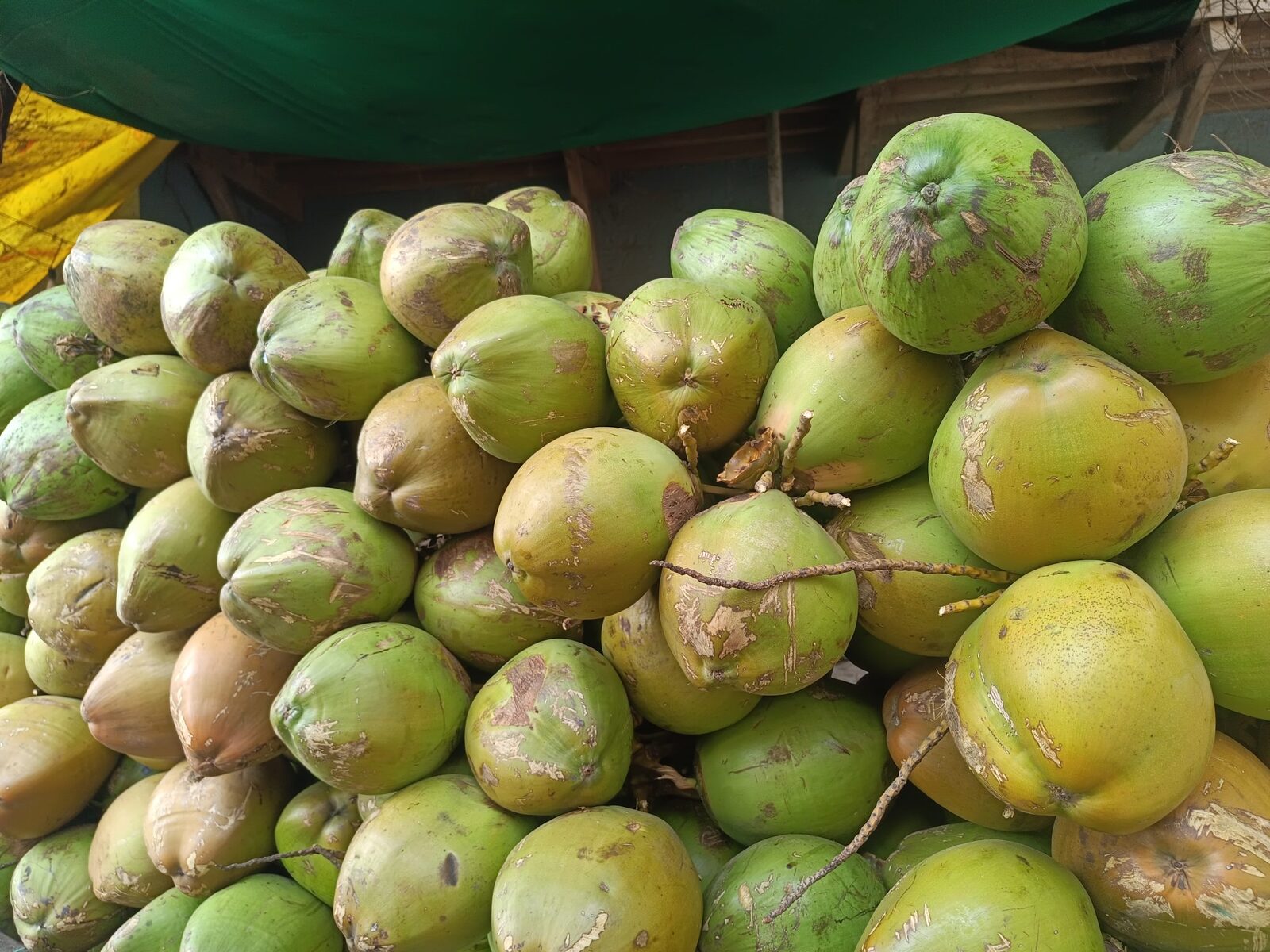
Processing turns coconut into products with specific commercial applications. Coconut meat becomes coconut milk, coconut oil, VCO, or desiccated coconut. Coconut water is processed into beverages and food ingredients. Husks become coconut fiber and cocopeat, while shells are processed into coconut shell charcoal and other downstream goods. Each stage requires different equipment, quality standards, and production controls. See the finished grades on our products page.
Why quality control matters in coconut export
International buyers usually require clear specifications, and the requirements depend on the product and its use. For food products, buyers focus on ingredients, food safety, moisture, packaging, shelf life, and regulatory compliance. For agricultural products, specifications may include moisture, grade, particle size, density, and packaging. For charcoal-based products, buyers evaluate ash content, moisture, fixed carbon, volatile matter, calorific value, size, and burning behavior. Quality control should therefore run throughout the supply chain, not only before shipment.
Packaging is part of the export supply chain
Packaging protects products during storage, handling, and international transport, and it also affects logistics cost and presentation. Buyers may require bulk packaging, retail packaging, or custom OEM and private-label packaging. For larger orders, packaging specifications should be confirmed before production begins, including material, weight per unit, carton specifications, labeling, artwork, and palletization.
Export documentation and international shipping
Once the product is ready, export procedures become another part of the chain. Depending on the product and destination, a transaction may involve commercial invoices, packing lists, certificates, and shipping documents. Buyer and supplier should confirm import requirements before production, and shipping terms such as FOB should be agreed clearly, along with destination port, container requirements, schedule, and insurance. Trade resources such as the World Trade Organization and the International Trade Centre can help buyers understand trade frameworks and market information.
What international buyers should check before sourcing
A reliable sourcing process starts before the purchase order. Buyers should weigh several points:
- Product specifications. Put them in writing, since requirements vary between markets and applications.
- MOQ and lead time. Confirm minimum order quantity and production lead time, especially for recurring shipments.
- Production capacity. Ask whether the required volume can be supported consistently.
- Packaging requirements. Discuss packaging early; OEM and private-label artwork can affect the schedule.
- Shipping and destination. Confirm the destination port, shipping terms, and who handles each stage of transport.
For more detail on vetting a partner, read our guide on choosing an Indonesian coconut supplier.
Building a reliable Indonesian coconut supply chain partnership
A successful sourcing relationship depends on more than price. Consistent specifications, clear communication, production planning, documentation, and shipping coordination all contribute to a smoother transaction. Importers and distributors should therefore evaluate the entire Indonesian coconut supply chain when choosing a partner. The objective is not simply to buy a single shipment, but to build a supply system that can support future orders.
Indonesia’s coconut supply chain offers opportunities across food, beverage, agriculture, personal care, charcoal, and other industries. For international buyers, understanding the chain makes sourcing decisions more transparent. If you are an importer, distributor, wholesaler, or private-label business looking for an Indonesian coconut export supplier, contact our team to discuss specifications, MOQ, lead time, packaging, OEM or private-label requirements, and international shipping.