
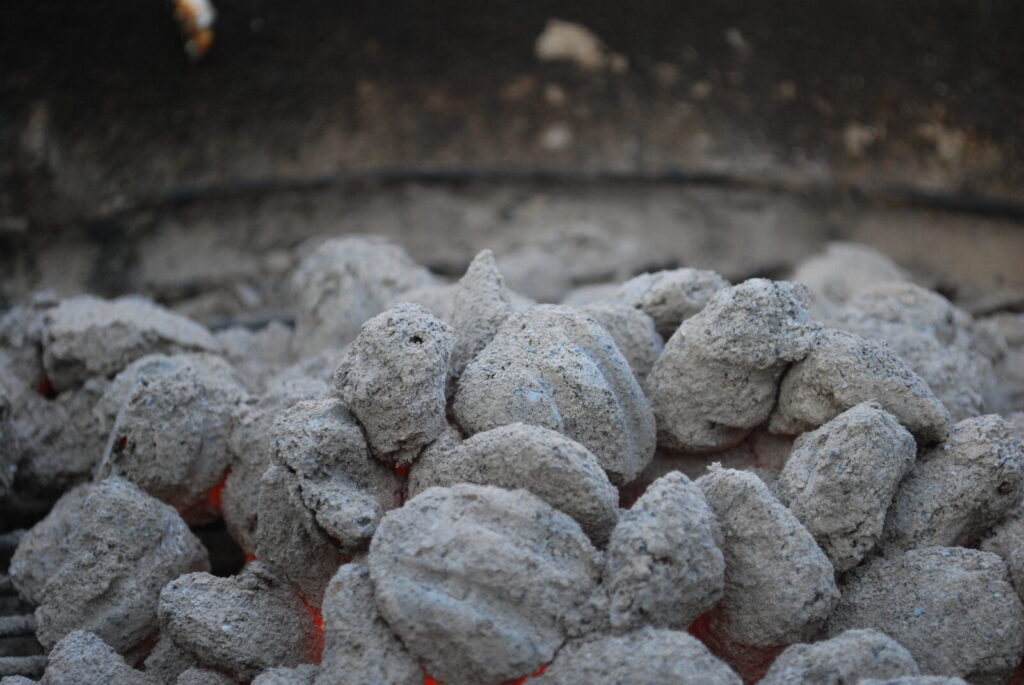
Coconut charcoal briquettes from Indonesia have become an important value-added coconut product for international markets. Made from coconut shell charcoal, these briquettes are used mainly as fuel for shisha, hookah, BBQ, and other applications.
For importers, distributors, wholesalers, and private label businesses, sourcing briquettes takes more than comparing prices. Raw material, production processes, specifications, packaging, and export capability all influence the consistency of the final product.
What are coconut charcoal briquettes?
Coconut charcoal briquettes are compressed fuel products made from coconut shell charcoal. The general production process runs through several stages:
Coconut shells → carbonization → charcoal → crushing → mixing → forming → drying → quality control → packaging
Coconut shell charcoal is first processed into a suitable particle size. The charcoal powder is then mixed with a binder and water before being formed into the required shape. Studies on coconut shell charcoal briquettes in Indonesia describe crushing, mixing, pressing, and drying as key stages, and the final briquettes can be produced in different shapes and dimensions depending on the application and buyer requirements. For the raw material behind them, see our overview of coconut shell charcoal from Indonesia.
Why are coconut charcoal briquettes in global demand?
Coconut shell charcoal briquettes offer a way to convert coconut processing by-products into a higher-value fuel, and their applications vary between markets. In Europe, coconut charcoal briquettes are commonly associated with BBQ and grilling. In the Middle East, they are widely used for shisha and hookah. Indonesian coconut shell charcoal briquettes have been marketed across Europe, the Americas, and the Middle East, with different applications in each region, which creates opportunities for importers looking for consistent coconut-based fuel products.
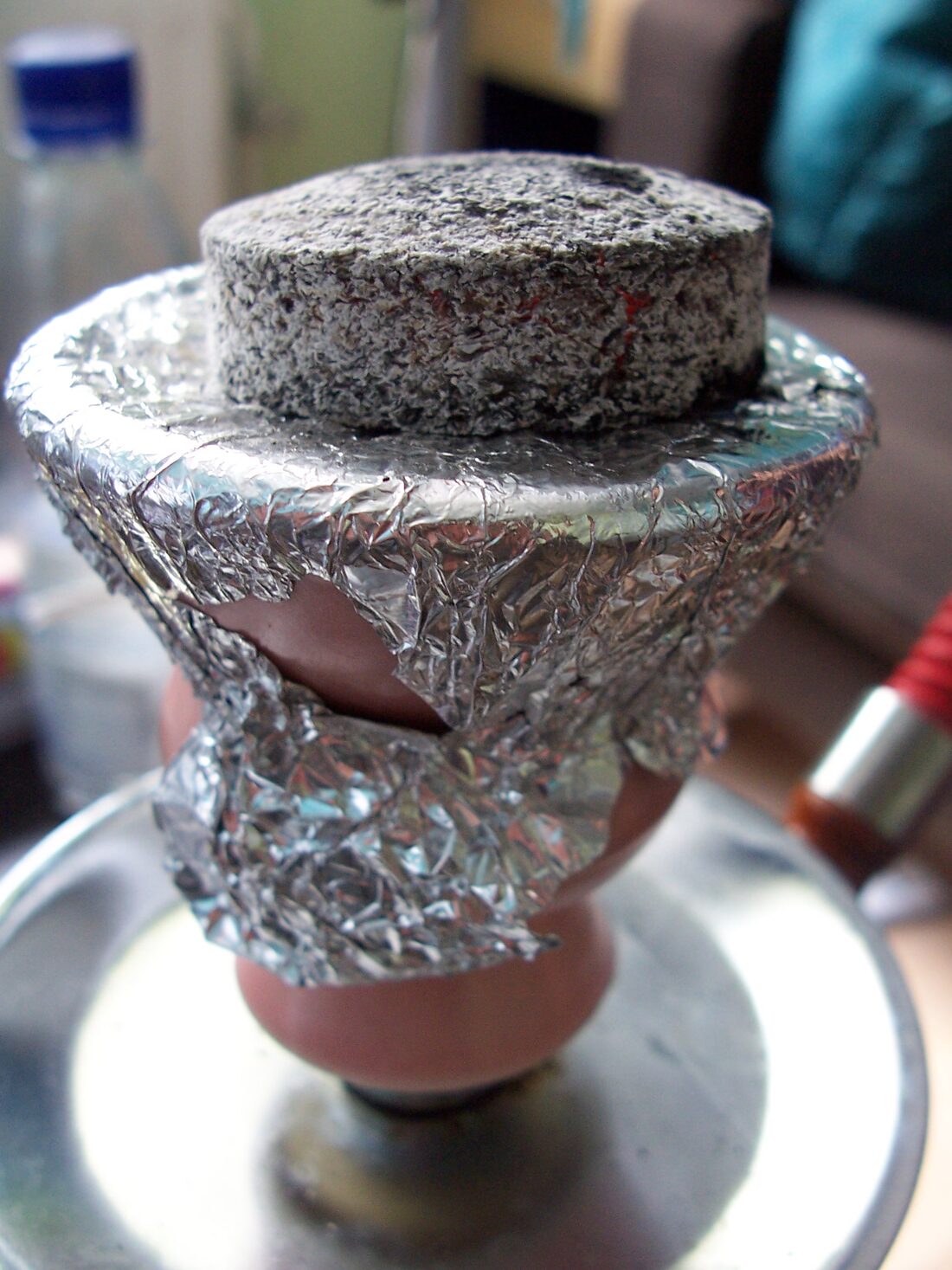
Why source coconut charcoal briquettes from Indonesia?
Indonesia has a large coconut-processing ecosystem and an established downstream industry for coconut-based products. Coconut shells can be converted into charcoal and then processed into briquettes, creating additional value from an agricultural by-product. International bodies such as the Food and Agriculture Organization (FAO) recognize coconut shell charcoal as an internationally traded coconut product and an opportunity within the global coconut industry. Indonesian sourcing can provide access to manufacturers and export suppliers experienced in coconut-based charcoal. Supplier capability should always be evaluated individually, however, rather than on country of origin alone.
What specifications should buyers check?
Before placing a bulk order for coconut charcoal briquettes from Indonesia, define the required technical specifications. Common parameters include:
- Moisture content
- Ash content
- Fixed carbon
- Volatile matter
- Calorific value
- Density
- Burning performance
- Physical strength and drop resistance
- Size and dimensions
The required specification varies with the application and destination market. A shisha buyer may prioritize burn duration, low ash, strength, and consistent heat, while a BBQ buyer may have different requirements for ignition and combustion. The supplier should confirm the buyer’s technical requirements before commercial production. For a deeper look at these parameters, read our guide to coconut shell charcoal quality.
Shape and size for different markets
Coconut charcoal briquettes can be manufactured in several shapes, including cube, hexagonal, finger, flat, dome, and custom shapes. Dimensions can also be customized. For B2B buyers, size consistency is particularly important because it affects packaging, handling, storage, and combustion performance. Before ordering, specify the required dimensions, shape, weight per piece, and acceptable tolerance.
The role of binder in briquette production
A binder helps charcoal particles form a stable briquette. Starch-based binders such as tapioca are commonly used for coconut shell charcoal briquettes, and research generally finds that binder type can influence moisture, ash, fixed carbon, calorific value, density, compressive strength, and resistance to breakage. Buyers should therefore not evaluate only the percentage of coconut charcoal, since the formulation and production process also affect the physical and combustion characteristics. For specific markets, buyers may also have requirements about the type of binder or additives used.
Quality control before export
Quality control should cover both the raw material and the finished briquettes. A professional supplier may evaluate:
Raw material: coconut shell source, carbonization quality, charcoal moisture, ash level, and foreign materials.
During production: particle size, mixing consistency, briquette dimensions, density, and drying conditions.
Finished product: moisture, ash, fixed carbon, volatile matter, calorific value, physical strength, drop resistance, and burning characteristics.
For international orders, samples and technical specifications should be agreed before mass production. This reduces the risk of differences between the approved sample and the commercial shipment.
Packaging for international buyers
Packaging requirements vary with the market, order volume, and buyer’s brand. Common options include 1 kg retail boxes, 10 kg master cartons, bulk packaging, private label packaging, and custom printed boxes. For distributors and wholesalers, packaging should protect the product during handling and international transportation. Private label buyers can also discuss artwork, carton specifications, labeling, and packaging quantities before production.
MOQ, lead time, and shipping
Confirm commercial terms before placing an order. Important points include:
- Minimum order quantity and production capacity
- Production and packaging lead time
- Payment terms
- FOB or CIF terms
- Loading port and destination port
- Export documentation
For larger orders, production and packaging schedules should be coordinated with the shipping schedule, which is especially important for buyers planning regular monthly or quarterly imports.
OEM and private label opportunities
Coconut charcoal briquettes from Indonesia suit businesses developing their own charcoal brands. OEM and private label programs can include customized briquette dimensions, shape, weight, packaging, brand artwork, carton design, and labeling. For distributors and wholesalers, private labeling is an opportunity to develop a differentiated product instead of selling generic charcoal. Specifications should be finalized before artwork, packaging production, and commercial manufacturing begin.
Sourcing coconut charcoal briquettes from Indonesia
Choosing a coconut charcoal briquette export supplier should involve more than comparing the lowest quotation. Evaluate raw material, production process, technical specifications, quality control, packaging, capacity, lead time, and export coordination. For the technical spec sheet behind the product, see our page on coconut shell charcoal briquettes.
At Indonesian Coconut, we connect international buyers with Indonesian coconut-based supply opportunities, including coconut charcoal briquettes for bulk orders, OEM, and private label partnerships. If you are an importer, distributor, wholesaler, shisha supplier, BBQ distributor, or private label business looking for coconut charcoal briquettes from Indonesia, contact our team to discuss specifications, packaging, quantity, and destination. The right briquette supplier is not simply a source of fuel. A consistent supplier can become part of a reliable long-term international supply chain.