
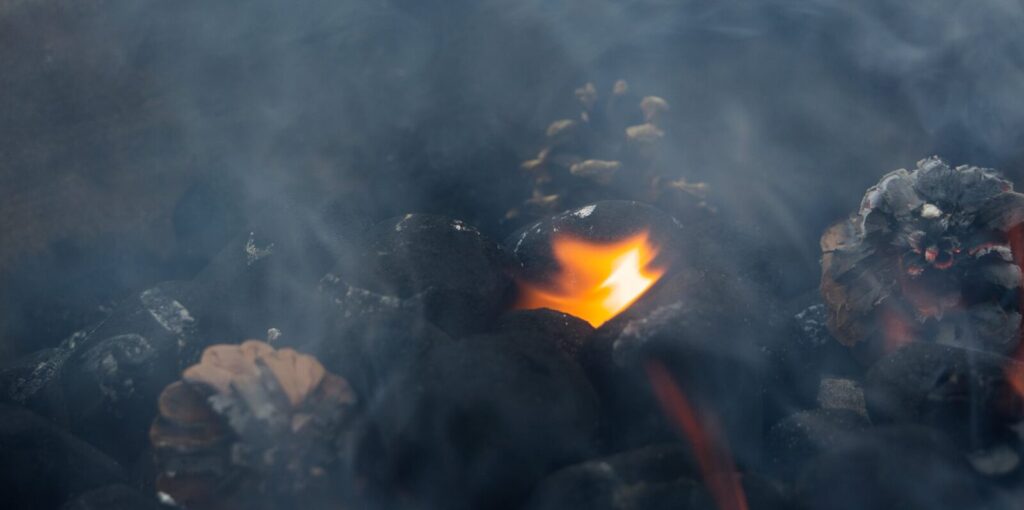
Coconut shell charcoal from Indonesia is a value-added product made from coconut shells through a controlled carbonization process. For international buyers, it offers a way to source a carbon-based raw material from Indonesia’s established coconut industry. The product can serve several applications, including activated carbon, charcoal fuel, BBQ products, and charcoal briquettes.
Sourcing coconut shell charcoal, however, takes more than comparing prices. Buyers should understand raw material quality, carbonization, specifications, packaging, production capacity, and international shipping before placing an order.
Why is coconut shell charcoal important?
Coconut shells are a natural by-product of coconut processing. Instead of remaining unused, they can be processed into charcoal and other value-added carbon products. International agricultural bodies such as the Food and Agriculture Organization (FAO) recognize coconut shell as a raw material for charcoal and carbon-related industries, which makes the shell an important part of the wider coconut value chain. Indonesia’s government also lists coconut shell charcoal and briquettes among the downstream coconut products being developed for domestic and export markets.
How is coconut shell charcoal made?
The basic production process for coconut shell charcoal from Indonesia is carbonization. During carbonization, coconut shells are heated under controlled conditions with limited oxygen, transforming the organic material into charcoal while controlling combustion. A typical process may include:
- Coconut shell collection
- Sorting and preparation
- Drying
- Carbonization
- Cooling
- Sorting and quality control
- Crushing or further processing
The exact process depends on the production system and the final application. Processing conditions influence charcoal characteristics such as moisture, ash, and fixed carbon, so process control is important for buyers who need consistent commercial specifications. To understand the raw material itself, see our overview of coconut shell from Indonesia.
What makes coconut shell charcoal different?
Raw material selection influences the resulting charcoal. Coconut shells are relatively dense and are widely recognized as a suitable raw material for high-quality charcoal and carbon applications. The term “coconut shell charcoal” alone, however, does not define a complete commercial specification, so buyers should request technical information relevant to their application. Important parameters may include:
- Moisture
- Ash content
- Fixed carbon
- Volatile matter
- Particle size
- Density
- Calorific value
- Appearance
- Foreign matter
The required parameters vary depending on the intended application.
Applications of coconut shell charcoal
Coconut shell charcoal from Indonesia can enter several downstream industries.
Activated carbon
Coconut shell charcoal can be further processed into activated carbon, which is used in adsorption applications including certain water, air, and industrial filtration systems. Its carbon structure and suitability for activation make coconut shell charcoal a recognized raw material for activated carbon production.
Charcoal briquettes
Another major application is charcoal briquettes. The charcoal is crushed into smaller particles and processed into briquettes, which can be made in different shapes and sizes for markets such as shisha, hookah, and BBQ.
Other industrial applications
Depending on its specifications, coconut shell charcoal may also be used in other carbon-based applications. Suitability depends on the required technical properties and downstream processing, so buyers should always match charcoal specifications with the intended application.
Why source coconut shell charcoal from Indonesia?
Indonesia has an extensive coconut industry and a large network of coconut-processing activities, which creates opportunities for sourcing coconut shells and downstream products. The industry is also moving toward greater value-added processing, which can create sourcing opportunities beyond raw coconut commodities. Availability should not be the only consideration, though. Buyers should also evaluate the supplier’s raw material sourcing, production process, quality control, packaging, capacity, and export experience.
What should international buyers ask a supplier?
Before placing a wholesale or bulk order, clarify these points:
- Raw material. Ask whether the charcoal is made from coconut shell and how the raw material is sourced.
- Technical specification. Request a specification sheet or relevant quality data that matches your application.
- Production capacity. Confirm whether the supplier can support the required monthly or shipment volume, which matters for recurring orders.
- Packaging. Discuss bulk or industrial packaging before production. Some buyers may require customized or private label solutions.
- Lead time. Confirm production lead time before arranging shipping, since custom packaging may need extra preparation.
- Shipping terms. Clarify the loading port and commercial terms. FOB and CIF are common options, and each party’s responsibilities should be confirmed in the sales agreement.
For a deeper checklist, read our guide on choosing an Indonesian coconut supplier.
From coconut shell charcoal to global value-added products
Coconut shell charcoal from Indonesia shows how an agricultural by-product can enter an international value chain. The same raw material can be processed into different products depending on market requirements, creating opportunities for manufacturers, importers, distributors, and private label businesses. For buyers, the most important step is matching the product specification with the intended application, and a suitable supplier should communicate the raw material, production process, specifications, packaging, and export arrangements clearly. For the full journey, see the Indonesian coconut supply chain.
Source coconut shell charcoal from Indonesia
Indonesia’s coconut industry provides opportunities across multiple downstream products, and coconut shell charcoal is one important example of how coconut materials can be transformed into higher-value products. Indonesian Coconut connects international B2B buyers with coconut-based products from Indonesia. Our product focus includes coconut charcoal briquettes for international markets, with OEM, private label, bulk-order, packaging, and export solutions.
If you are an importer, distributor, wholesaler, manufacturer, or private label business looking for coconut shell charcoal or coconut-based charcoal products from Indonesia, contact our team to discuss product specifications, MOQ, production capacity, packaging, lead time, FOB options, and international shipping, and explore value-added coconut opportunities in the global market.