
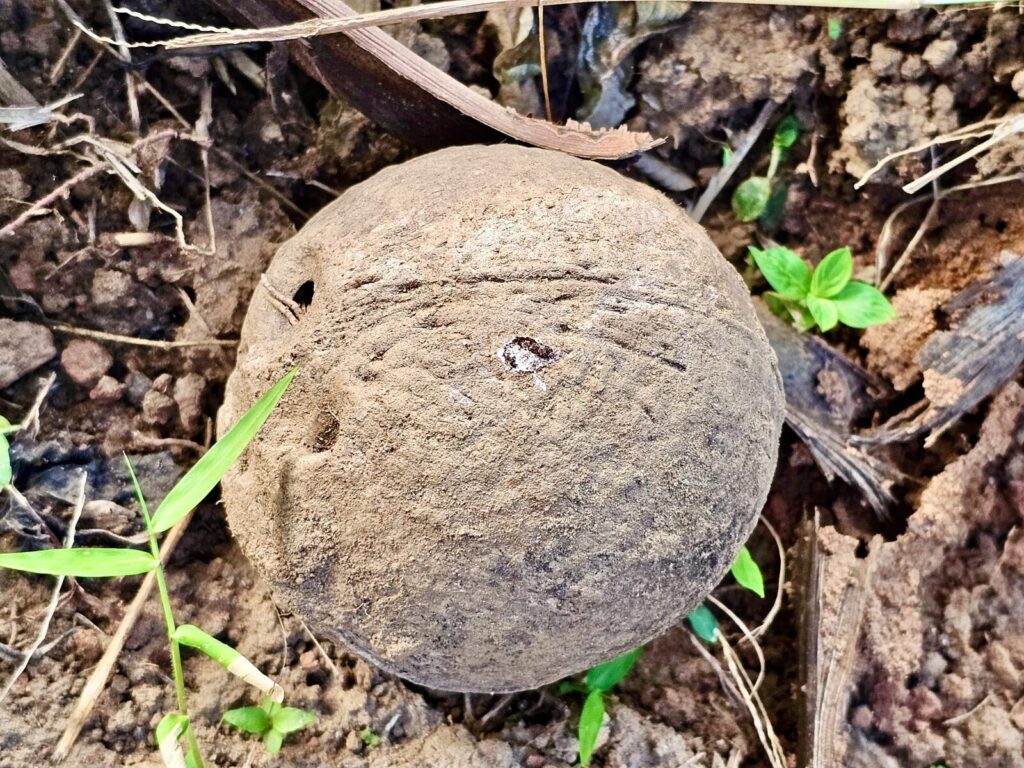
Coconut shell from Indonesia is more than an agricultural by-product. It is a valuable biomass resource that can be processed into products for food, agriculture, energy, and industrial applications. For international buyers, understanding the potential of coconut shell is important when evaluating Indonesian coconut supply chains.
Instead of being discarded after coconut processing, shells can enter further processing and become valuable raw materials. This creates opportunities for importers, manufacturers, distributors, and other businesses looking for sustainable biomass resources on the global market.
Why is coconut shell an important coconut resource?
A coconut has several useful components. The meat and water are widely used in food and beverage industries, and the husk can be processed into coconut fiber and cocopeat. The hard shell has different characteristics and applications. Because coconut shells hold a relatively high proportion of carbon after suitable processing, they become useful raw materials for charcoal production, creating another pathway to increase the value of the coconut supply chain.
From coconut processing to coconut shell supply
Coconut shells are generated through different coconut processing activities, for example facilities processing coconut meat, coconut milk, or coconut oil. After separation from the meat, shells can be collected and prepared for further processing.
Raw material quality varies. Shell condition, moisture, contamination, storage, and handling all affect suitability for further processing, so consistent raw material sourcing is an important consideration for international buyers.
How is coconut shell from Indonesia processed?
The exact process depends on the intended application, but a general chain involves several stages.
Collection
Shells are collected from coconut processing activities. A reliable collection network helps manufacturers maintain a more consistent supply.
Sorting
Shells are sorted to remove unwanted materials and contaminants, which prepares the raw material for the next stage.
Drying
Moisture affects later processing, so shells may need appropriate drying and storage before carbonization or other uses.
Carbonization
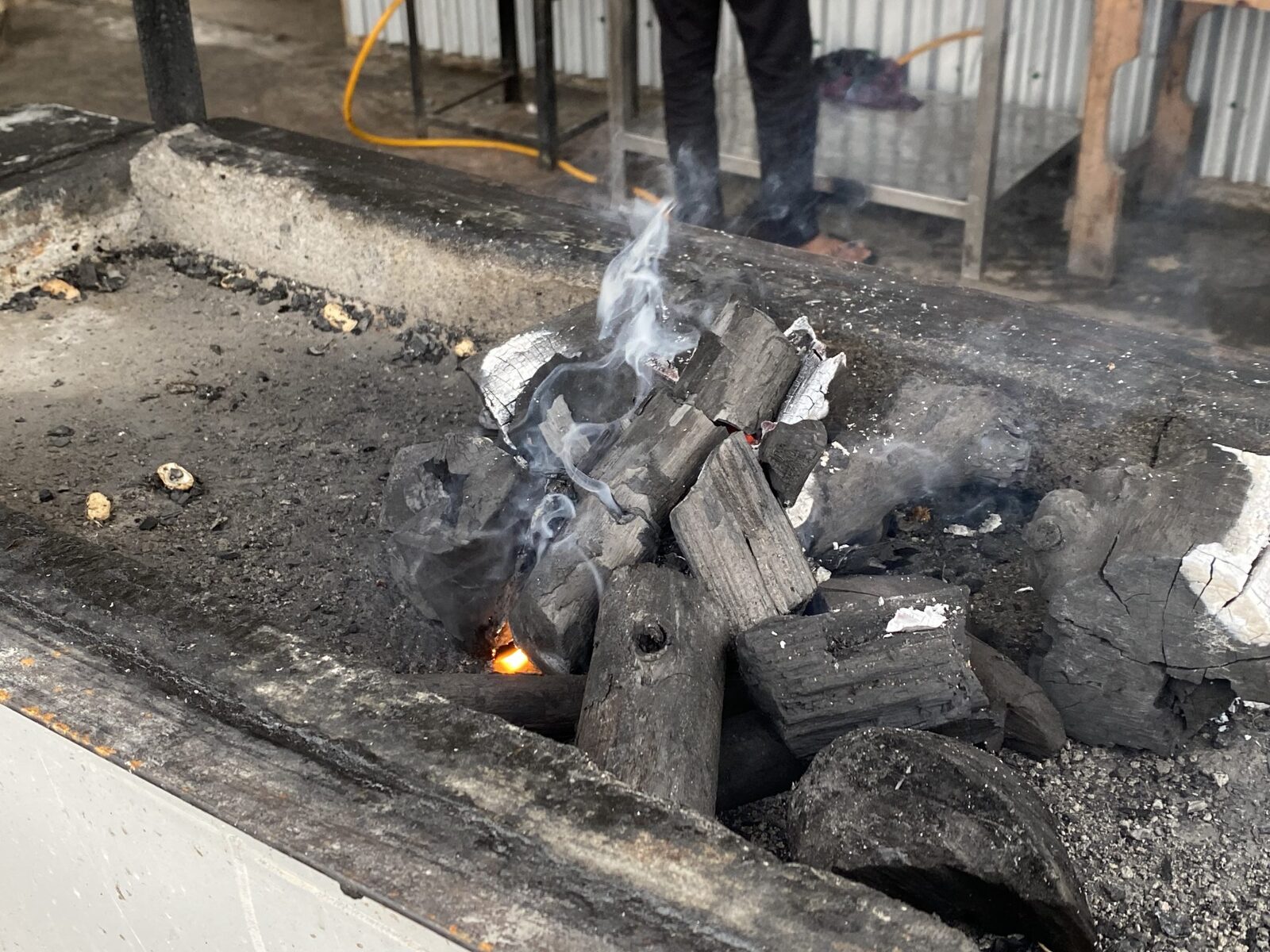
For charcoal production, shells undergo carbonization, where they are heated under controlled conditions to convert the biomass into charcoal. The resulting coconut shell charcoal can then be processed further depending on the target market.
What can coconut shell become?
Coconut shell has several value-added applications.
Coconut shell charcoal
One of the best-known applications is coconut shell charcoal, used as a raw material for shisha, hookah, BBQ, and selected industrial applications. Quality depends on the raw material, carbonization process, moisture, ash, and other characteristics.
Coconut charcoal briquettes
Coconut shell charcoal can also become coconut charcoal briquettes. The charcoal is processed into powder, mixed with a suitable binder, formed into specific shapes, and dried. The final product is manufactured to buyer requirements for size, density, packaging, and other specifications.
Other biomass applications
Coconut shell can also be explored for other biomass and industrial applications. Its carbon-rich nature makes it relevant to research and development in activated carbon and other carbon-based materials, though suitability depends on the required technical specifications and processing method.
Why source coconut shell from Indonesia?
Indonesia has a large coconut industry with production spread across many regions, which creates opportunities for businesses seeking coconut-based raw materials. The country’s existing processing ecosystem can also support the collection and use of coconut shells, and sourcing from an established supply chain is useful when planning recurring requirements. Availability alone is not enough, however. Buyers should evaluate raw material consistency, processing capability, quality control, packaging, logistics, and export readiness. For the wider picture, see our overview of the Indonesian coconut supply chain.
What should international buyers check?
Before placing a bulk order, clarify these points:
- Raw material specification. Ask about the origin and condition of the coconut shell, including moisture, cleanliness, shell condition, and contamination.
- Quantity and supply capacity. Confirm the available quantity and whether the supplier can support recurring orders.
- Processing method. Understand whether the supplier provides raw shells, processed shells, charcoal, or another value-added product.
- Packaging. Packaging should match the product and transport requirements. Bulk packaging may suit industrial buyers, while other markets may need customized packaging.
- Shipping terms. Confirm the loading port, destination port, container requirements, and agreed trade terms. FOB and CIF are common arrangements. Resources such as the International Trade Centre can help with market access.
For a deeper checklist on vetting a partner, read our guide on choosing an Indonesian coconut supplier.
Building a sustainable coconut supply chain
Using coconut shell from Indonesia as a raw material creates additional value from the existing coconut industry and supports more efficient use of agricultural resources. For businesses involved in international sourcing, this opens the chance to build supply chains around value-added coconut materials rather than relying only on raw agricultural commodities. The opportunity is especially relevant for manufacturers and distributors seeking consistent biomass and charcoal-related raw materials.
Source coconut-based products from Indonesia
Indonesia’s coconut industry offers a wide range of materials and value-added products, and coconut shell from Indonesia is one example of how a traditional agricultural resource can enter a broader industrial supply chain. For international buyers, the next step is understanding the quality, processing, specifications, and export requirements of the final product.
Indonesian Coconut connects international B2B buyers with coconut-based products from Indonesia. Our portfolio includes coconut charcoal briquettes for international markets, with options for OEM, private label, bulk orders, and export packaging. If you are an importer, distributor, wholesaler, or manufacturer looking for coconut shell products from Indonesia, contact our team to discuss your requirements and build a reliable supply partnership for the global market.