
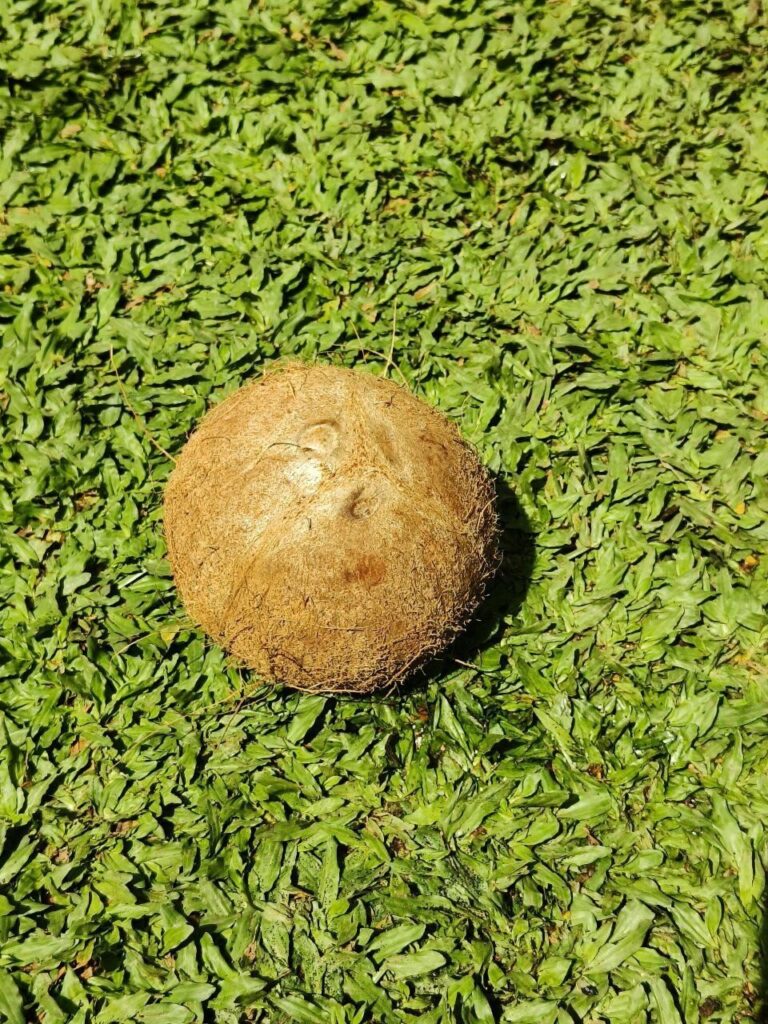
One of the biggest strengths of Indonesian coconut is the sheer range of coconut derivative products that a single commodity can yield. Almost every part of the coconut carries value, from the meat and water to the husk and shell. Because of this, international buyers can source a wide variety of goods from Indonesia to match the exact needs of their industry.
The range of coconut derivative products
Here are the coconut derivative products most in demand across global markets:
- Coconut water, a natural raw material for the beverage industry.
- Coconut milk, used in Asian cuisine and food manufacturing.
- Coconut oil and VCO, refined for food, cosmetics, and personal care.
- Desiccated coconut and coconut sugar, supplied to bakery, confectionery, and the natural sweetener market.
- Coconut fiber and cocopeat, valued as fiber and growing media for horticulture.
- Coconut shell charcoal and charcoal briquettes, used as fuel for shisha, hookah, and barbecue.
Why coconut derivatives keep gaining value
In international trade, the value of a commodity is never only about the raw material. Processing, consistent quality, clear specifications, packaging, and complete documentation all shape the final price. This is why downstream processing matters so much. A single raw material can be turned into several finished goods, each with its own target market and its own economic value. Coconut water bound for retail beverages, for instance, follows very different standards than charcoal briquettes headed to a shisha lounge in the Middle East.
Opportunities for international buyers
Every coconut derivative has its own market and its own set of requirements. Coconut milk buyers focus on food safety and shelf life, while charcoal briquette buyers weigh fixed carbon and ash content. Desiccated coconut buyers look closely at moisture, fat content, and microbiological results, and cocopeat buyers check EC levels and water retention. For a fuller picture, read our overview of Indonesian coconut in the global market, or view our product range directly.
Turning waste into coconut derivative products
Many coconut derivative products come from parts once treated as waste. Husk and shell, for example, are now processed into export grade cocopeat and charcoal. This approach not only raises economic value, it also cuts waste and supports more sustainable practices. For buyers who prioritize environmental impact, the story behind these coconut derivative products becomes an added selling point.
In the end, it is this breadth of choice that makes Indonesian coconut so appealing. A single country of origin can supply many products at once, with specifications adjusted to the needs of each market. Understanding the character of every coconut derivative is therefore an important first step before choosing a supplier. To discuss volumes, specifications, and lead times, feel free to contact our team.