
Coconut shell charcoal carbonization is the controlled thermal process used to convert coconut shells into charcoal. For international buyers, understanding this process explains why raw material preparation and carbonization conditions can influence the final charcoal quality.
Coconut shell charcoal is widely used as a raw material for activated carbon, fuel, BBQ charcoal, and charcoal briquettes. Consistent coconut shell charcoal carbonization is therefore an important part of building a reliable coconut charcoal supply chain.
What is coconut shell charcoal carbonization?
Carbonization is a thermal decomposition process in which coconut shells are heated with limited oxygen. The objective is not to burn the shells completely. Instead, the process removes much of the moisture and volatile components while leaving a carbon-rich solid material. Industry references such as the Food and Agriculture Organization (FAO) recognize coconut shell as a dense raw material well suited to high-quality charcoal, which can then be further processed into activated carbon and other value-added products. The basic flow is:
Coconut shells → preparation → drying → carbonization → cooling → charcoal → further processing
Step 1: Selecting and preparing coconut shells
The process starts with the raw material. Coconut shells are collected from coconut processing activities and sorted before carbonization. Foreign materials such as soil, stones, and leaves should be minimized because they can affect the quality of the resulting charcoal. Consistent raw material preparation matters for commercial production, since differences in shell condition can contribute to variation between charcoal batches. For more on the raw material, see our overview of coconut shell from Indonesia.
Step 2: Drying the coconut shells
Moisture must be reduced before carbonization. Fresh or wet shells require extra energy to remove water before the temperature can rise enough for carbonization. Drying is therefore an important preparation stage, especially when the final charcoal must meet defined moisture specifications. The drying method varies with the production system, weather, available equipment, and production scale.
Step 3: Carbonizing the coconut shells
After preparation, the shells are placed inside a carbonization system such as a kiln. Heat is applied while oxygen is controlled, allowing the shells to carbonize rather than burn away. During the process, moisture and volatile compounds are released, and the remaining solid material becomes coconut shell charcoal. The carbonization system and operating conditions influence charcoal yield, smoke generation, and the characteristics of the final product. Controlling airflow is a key part of this stage.
Why temperature and airflow matter
Carbonization is not simply about heating coconut shells. Temperature, heating rate, airflow, carbonization time, raw material condition, and kiln design all influence the resulting charcoal. If too much oxygen enters the system, the shells can burn rather than carbonize efficiently. On the other hand, insufficient or poorly controlled heating can leave carbonization incomplete. The goal is to create controlled conditions that produce charcoal with consistent characteristics. Improved kiln designs, including smokeless carbonization kilns developed in Indonesia, also aim to reduce smoke while producing charcoal efficiently.
Step 4: Cooling the charcoal
After carbonization, the charcoal must be cooled before further handling. Freshly carbonized charcoal can remain extremely hot and may ignite when exposed to uncontrolled oxygen, so cooling and safe handling are critical. The charcoal should only move to the next stage once it has reached a suitable condition for handling.
Step 5: Sorting and processing
Once cooled, the charcoal is sorted and processed according to its intended application. Depending on the final product, this may include:
- Removing foreign materials
- Separating oversized pieces
- Controlling particle size
- Removing excessive fines
- Crushing and screening
- Preparing charcoal for further processing
Coconut shell charcoal may then be used as a raw material for activated carbon or processed into charcoal briquettes.
How carbonization affects charcoal quality
Coconut shell charcoal carbonization has a direct relationship with several charcoal characteristics. The process can influence moisture, volatile matter, fixed carbon, ash content, calorific value, density, physical strength, appearance, and charcoal yield. This is why two suppliers using the same type of coconut shell may still produce charcoal with different specifications. For international buyers, the country of origin alone is not enough to determine quality. Production process, raw material preparation, quality control, and testing all matter. See how specifications fit the bigger picture in our guide to coconut shell charcoal from Indonesia.
Traditional vs controlled carbonization
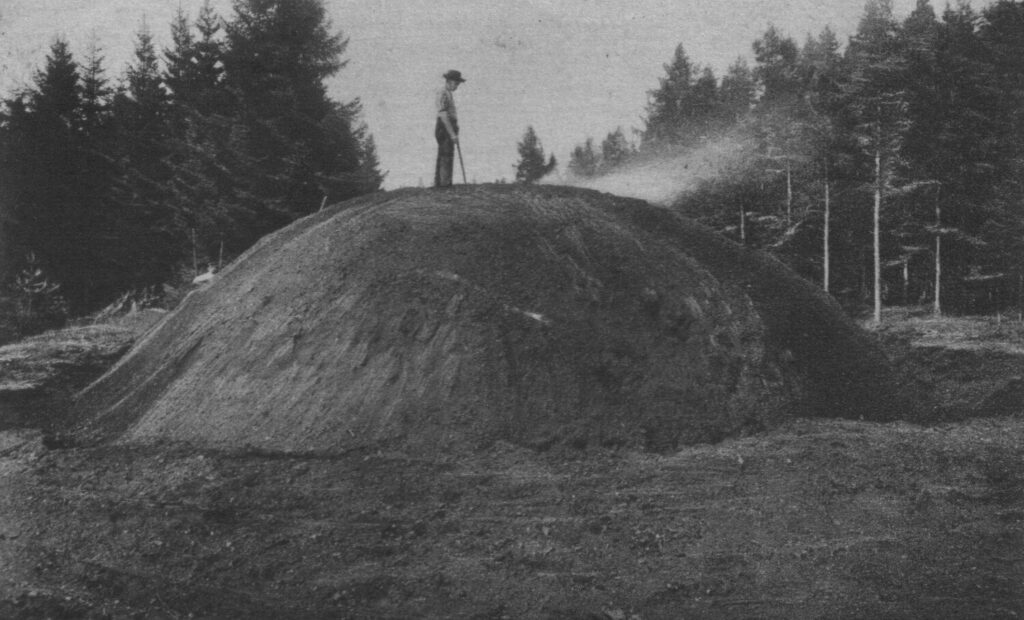
Traditional charcoal production can use simple pits, drums, or earth-covered mounds. These methods can produce charcoal, but process control is more difficult and smoke emissions can be higher, which can lead to variable charcoal quality. Improved carbonization systems provide better process control and reduce unwanted smoke. For commercial export supply, consistency is especially important because buyers often require defined specifications across multiple batches, so a controlled production system supports more consistent quality and better monitoring.
Why coconut shell charcoal carbonization matters for international buyers
International buyers may not run the carbonization process themselves, but understanding it helps them evaluate suppliers. Before placing a bulk order, buyers can ask:
- What type of coconut shell is used?
- How is the shell prepared before carbonization?
- What carbonization system is used?
- How is airflow controlled?
- How is the charcoal cooled?
- How is charcoal sorted and processed?
- What quality parameters are tested?
- Can the supplier provide a specification sheet?
- What is the expected production capacity?
- How is consistency maintained between batches?
These questions help buyers move beyond price comparisons and evaluate a supplier’s real production capability. For a wider checklist, read our guide on choosing an Indonesian coconut supplier.
From carbonized coconut shell to global products
Coconut shell charcoal carbonization transforms a coconut processing residue into a higher-value carbon material. The resulting coconut shell charcoal can enter several downstream markets, including activated carbon, fuel applications, BBQ products, and charcoal briquettes. As a rough guide, carbonization commonly yields around 30% charcoal by weight, though actual yields vary with raw material and production conditions. This conversion creates opportunities for Indonesian suppliers and international buyers seeking value-added coconut-based products. To follow the product from farm to port, see the Indonesian coconut supply chain.
Sourcing coconut shell charcoal from Indonesia
For global buyers, sourcing coconut shell charcoal is not simply about finding available raw material. A reliable coconut shell charcoal export supplier should understand raw material preparation, carbonization, quality control, packaging, and international shipping. At Indonesian Coconut, we connect international buyers with Indonesian coconut-based supply opportunities for bulk orders and export partnerships.
If you are sourcing coconut shell charcoal for further processing, fuel applications, or downstream charcoal products, clear technical requirements should be discussed before production. For international sourcing inquiries and bulk orders from Indonesia, contact our team. Understanding coconut shell charcoal carbonization is the first step toward understanding charcoal quality and building a consistent international supply relationship.